A growing library of articles exploring the theories, models, and principles behind effective instructional design and business growth.

This lesson brings in Gilbert's Behavior Engineering Model and Rummler and Brache as support and challenge to Moore, plus Brinkerhoff's evidence that most training fails because of the work environment.
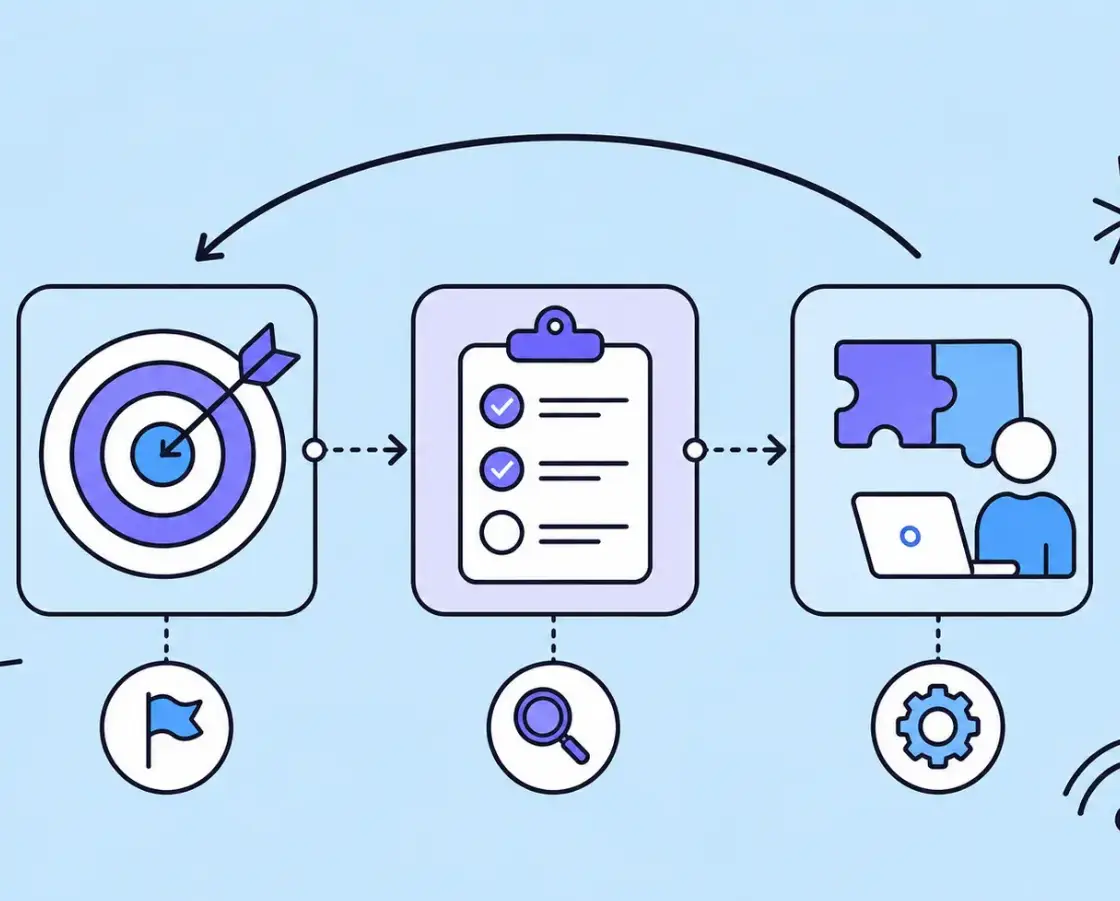
A structured instructional design framework that ensures learning materials are developed around clear, well-written, and measurable learning objectives.
The Successive Approximation Model (SAM) is an agile, iterative framework that uses rapid prototyping and continuous feedback to create flexible, learner-centered training.
Rapid Instructional Design (RID) focuses on speed and flexibility, streamlining development to deliver learning solutions quickly in fast-changing environments.
A complete overview of Understanding by Design (UbD). Opinion on its strengths, limitations, and implications for instructional design.
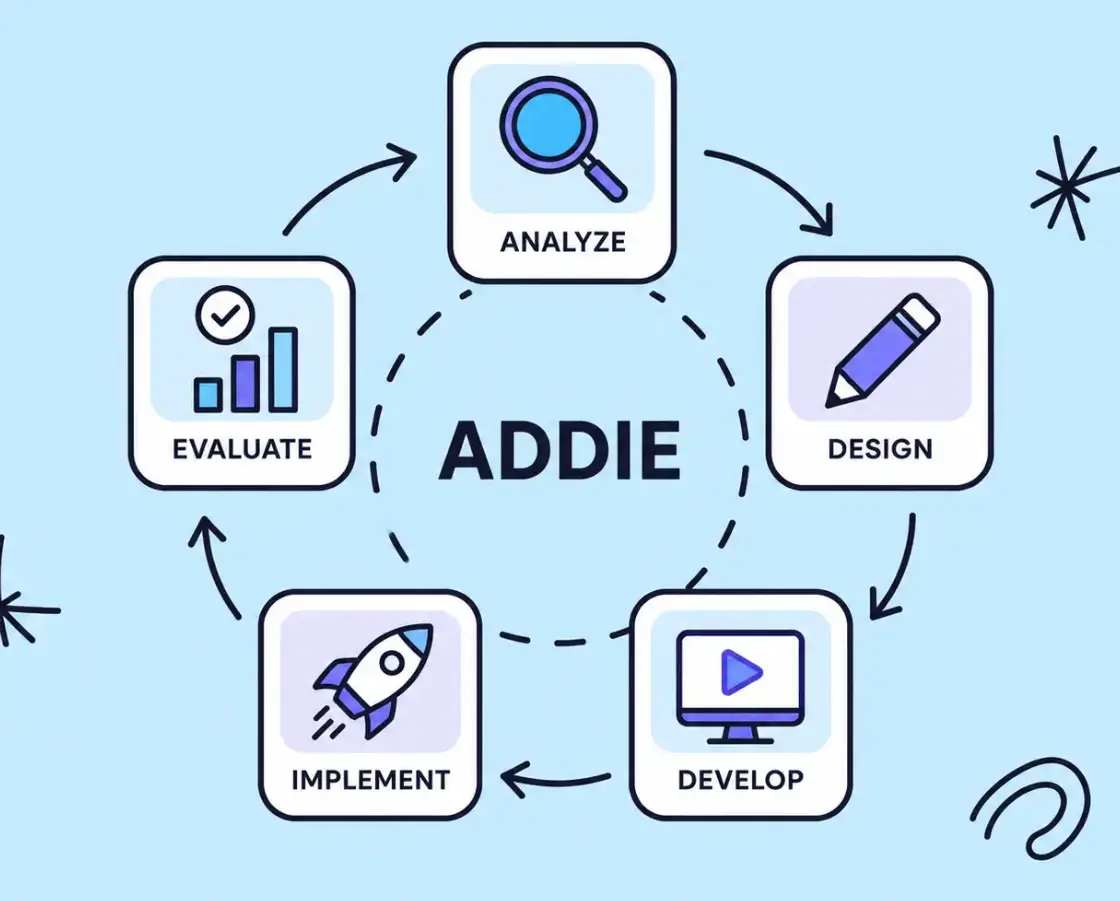
ADDIE is a core model that uses five phases—Analysis, Design, Development, Implementation, and Evaluation—to build effective, learner-focused training that improves over time.
Exploration of adult learning theory, andragogy, which includes five assumptions and six principles, formal/informal/non-formal learning, and application to instructional design.
Exploration of a modern learning theory, connectivism, which includes digital literacy, personal learning networks, and application to instructional design.
Exploration of cognitivism, which includes theories from Piaget, Vygotsky, Bruner, and Bandura. Cognitive Load Theory is also reviewed and applied to instructional design.
Gagne’s Nine Events of Instruction offer a step-by-step framework for delivering instruction that aligns with how people naturally process, apply, and retain new information.
Mayer's Principles of Multimedia Learning provide a research-based framework for designing instructional content that aligns with how people learn.
In modern instructional design, Vygotsky's Theory of Cognitive Development offers a foundational lens for understanding how learning is socially mediated.
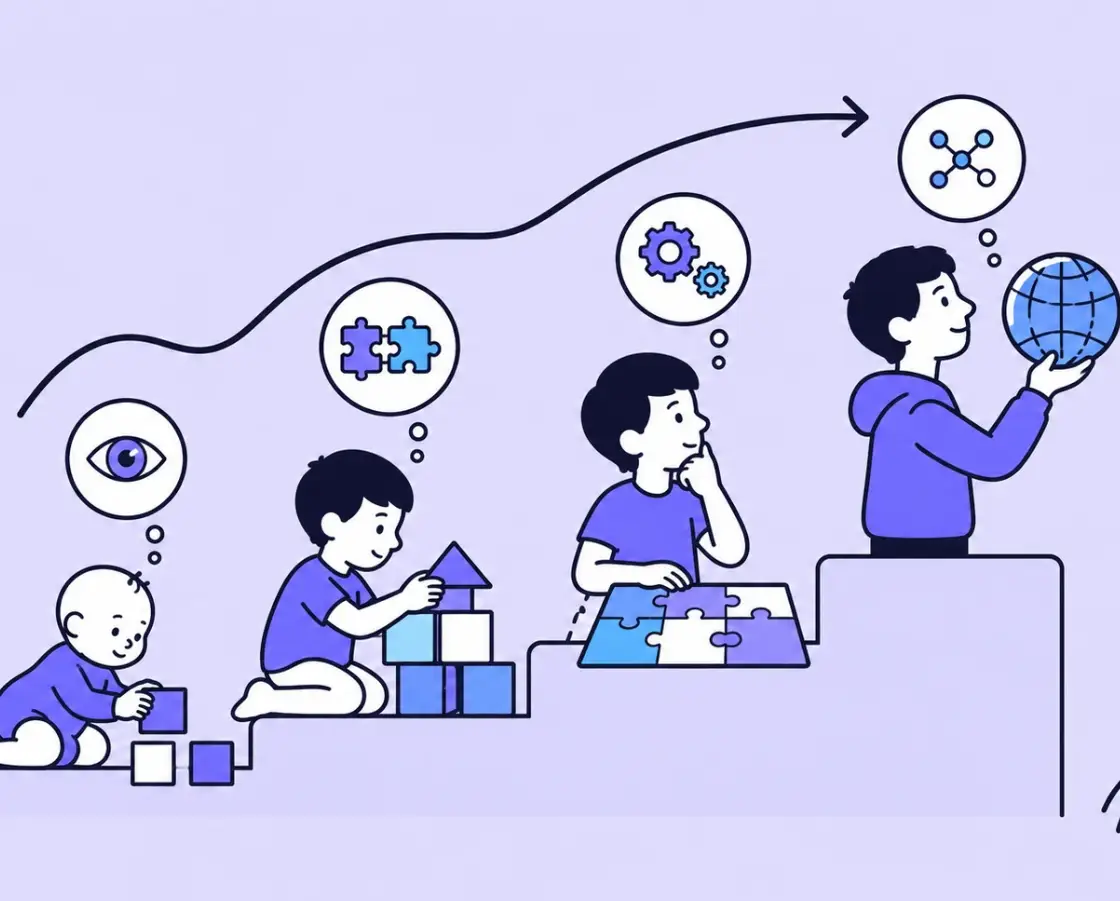
Discover Piaget’s Theory of Cognitive Development and how children’s thinking evolves from infancy to adolescence, with real examples and practical insights.