Presentations
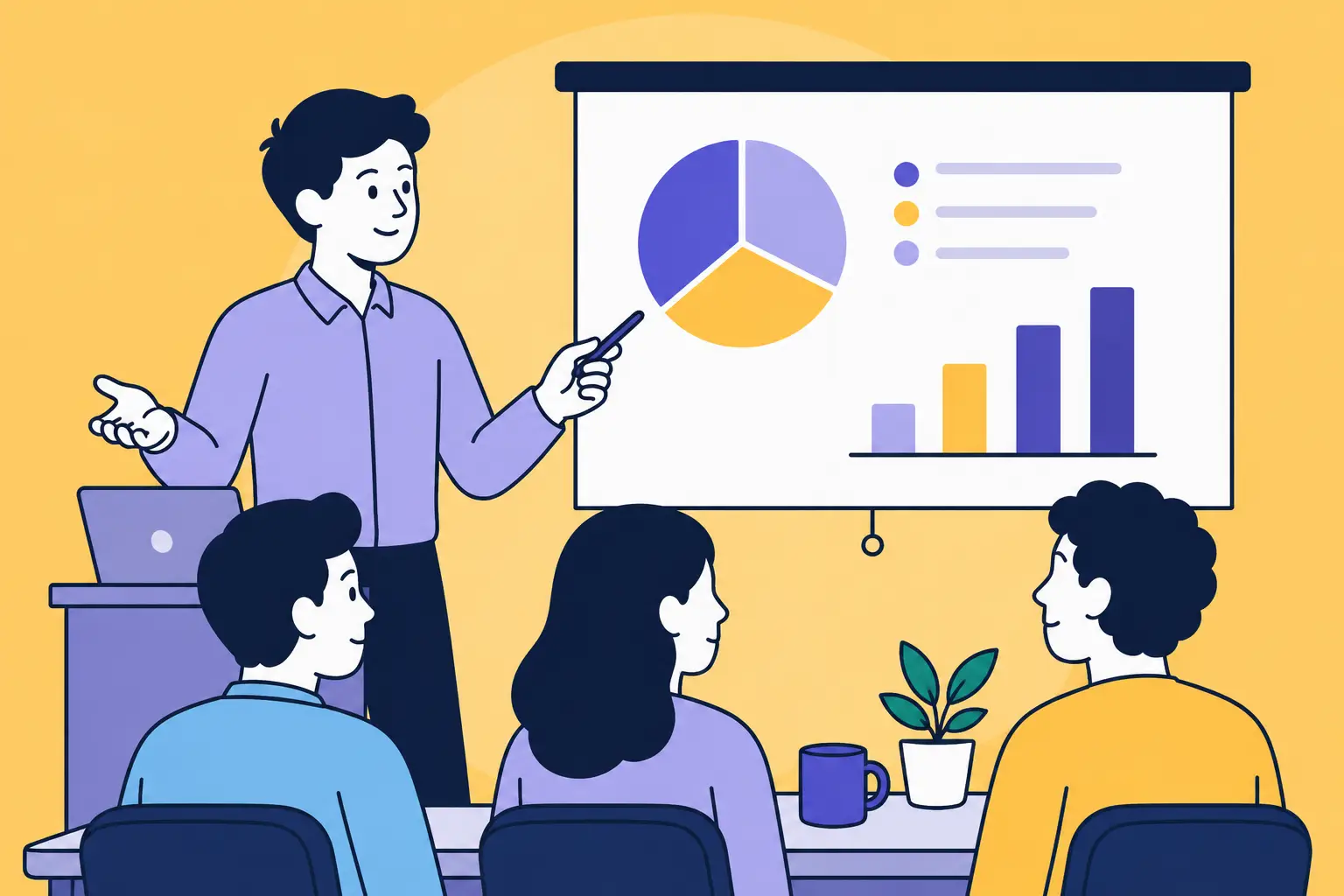
A great presentation isn’t just about what you know—it’s about what your audience understands. In this short explainer, you’ll learn how to prepare a clear, focused, and engaging presentation that connects with your audience and supports your message. Whether you’re presenting for approval, pitching an idea, or sharing research, these steps will help you feel confident and make a lasting impression.
Video Details
Standards
Language
About this video
Even the most brilliant ideas can fall flat if they’re not presented clearly. This video focuses on how to make your message easy to understand—whether you’re speaking to company executives, teammates, or classmates.
We begin by identifying your mission—the real reason you’re presenting—and why every point should tie back to that purpose. From there, the video walks through strategies for connecting with your audience, adjusting your language to fit their background, avoiding jargon, and offering the right context so your points make sense.
You’ll learn how to organize your content with an outline, use presentation tools effectively, and build slides that support—not distract from—what you’re saying. The video also covers practical tips for delivery, from pacing your speech to practicing with your slides and preparing backup files for the big day.
Finally, you’ll learn the value of feedback, and how audience questions can help you refine your skills and grow more confident with each presentation.
Educational Standards
Presenting well isn’t just a nice-to-have skill—it’s essential for getting your ideas across. This video helps learners understand how to prepare and deliver presentations that are clear, structured, and tailored to their audience. The goal: make your message stick and earn the results you’re aiming for.
By the end of this video, you’ll be able to:
- Define the mission of your presentation and align your content with it.
- Adjust your language and examples to meet your audience’s needs.
- Add context and background to make complex points easier to understand.
- Create an outline to organize your presentation clearly.
- Use visuals purposefully to support your message.
- Prepare and practice effectively to deliver with clarity and confidence.
Educational Standards
ISTE
The International Society for Technology in Education defines standards for students, educators, and leaders integrating technology into learning.
ACRL
The Association of College and Research Libraries framework identifies the core concepts and practices that define information literacy in higher education.
This video maps to the following standards.
- ISTE Standard: Creative Communicator 6c
- ACRL Info Literacy Frame: Information Creation as a Process